
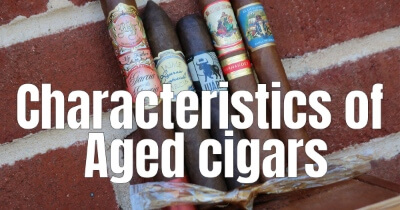
Cigar enthusiasts often delve into the intriguing world of aged cigars, seeking the nuances and complexities that time can impart to a well-balanced blend. Aged cigars, with their matured tobaccos, can offer a distinct smoking experience compared to their fresh counterparts. Understanding the characteristics of aged versus fresh cigars provides us with insights into how time transforms the flavors, aromas, and overall enjoyment of a cigar.
It's important to note that the word fresh here means a cigar that was just released and sat in our personal humidor for at least two weeks. All new world cigars have rested in factory aging rooms for at least four to six months, sometimes longer depending on the blend or brand. Each Atabey, for example, is aged for a minimum of five years at the factory level to achieve the luxurious profile we’ve all come to know and love.
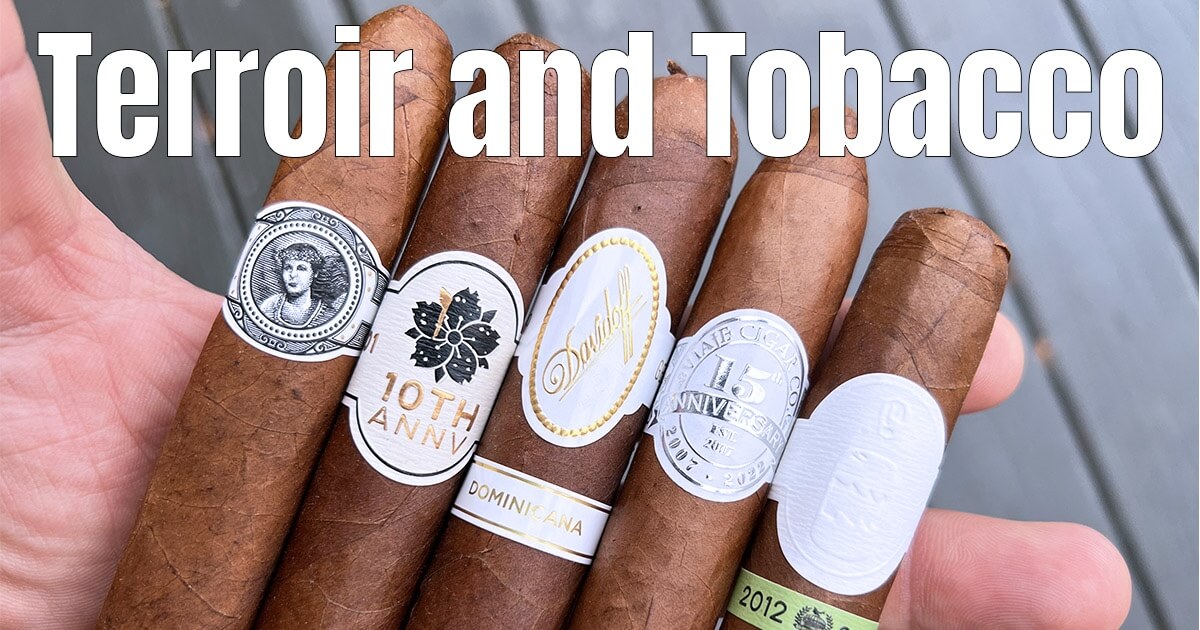
Click the image above to continue reading that article
Aged cigars are those that have been allowed to mature in a controlled environment, typically a well-maintained humidor, for an extended period of time. This aging process involves the gradual development of flavors and the melding of different tobacco components. Here are some key characteristics of aged cigars:
Mellowed Flavors
One of the most noticeable differences in aged cigars is the mellowing of flavors. The sharp edges that might be present in a fresh cigar tend to soften over time. This allows us to experience a more refined and balanced flavor profile. We call this mellowing effect the marrying of flavors as the oils have more time to mingle together while certain chemicals evaporate.
More Complex Flavors
Aged cigars often exhibit a heightened level of complexity. The various tobacco components—filler, binder, and wrapper—integrate more seamlessly, creating a harmony of flavors. Right off of the truck, cigars may have big, bold flavors that raise the noise floor. By allowing the profile to mellow out some and round out some of the edges, more flavors are discernible throughout the experience.

Click the image above to continue reading that article
Balanced Strength
The strength of an aged cigar is often reduced. While the blend's overall potency may remain, the aging process tends to integrate the strength more evenly, providing a more balanced smoking experience from start to finish.
The strength of an aged cigar changes because cigars are continuously evolving. The nicotine content of tobacco reduces by 30-50% during the extensive fermentation periods at the factory level and will continue to ever so slowly reduce over time. Even though my personal humidor likes to sit around 67-68 degrees Fahrenheit and doesn’t reach the hotter temps or humidity for what factories would deem fermentation, the cigars inside will still continue to ferment nonetheless.
Myth: More Age is Better
As we’ve discussed in the past, the appropriate amount of time for a particular blend is a moving target. As the tobacco is evolving, so is your palate. More age is not always better, and I like to sample from a box every 3-6 months and see where I’m at. If I feel like a cigar is perfect where it is, I’ll smoke through the box and be satisfied with the results.
For example, I most recently determined that the Dunbarton Mi Querida PapaSaka was perfection for me after just a few weeks in my humidor. I’ll set aside a few to see if I was wrong, but for the most part I’ve decided that I will enjoy these without age because I just can’t imagine them getting any better.
Likewise, this past Sunday I pulled out a box of Black Works Studio’s S&R from a few years ago. It was so good that I realized I need to smoke through the rest of them on warmer days. I have aged certain cigar blends for too long and was sad to see them past their peak.


Leave your comment